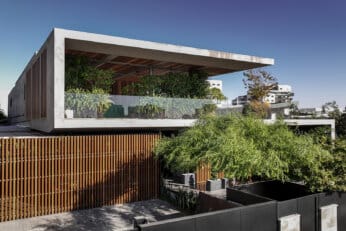
The goal is not only to locate errors but to prevent them in advance, while they still exist on paper.
At Israelevitz Architects, supervision is perceived as an integral part of the design itself, a direct continuation of architectural thinking into actual execution.
Before Construction: The Place Where Truly Expensive Errors Are Saved
The stage where you can influence the project most significantly is actually before the start of execution. This is where the control of the plans takes place, along with coordination between consultants and defining small details that sometimes seem marginal but become very expensive on site. Common mistakes at this stage may include:
- Lack of coordination between electrical and carpentry plans, leading to moving points on site
- Waterproofing details that were not fully resolved, which could lead to water penetration
- Inaccurate planning of openings, affecting natural lighting and the spatial experience
- The cost of such corrections during the execution phase can reach tens of thousands of shekels, and sometimes even cause significant delays in schedules.
Proper supervision at this stage is not an inspection, but rather early risk management.
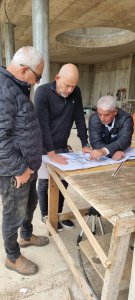
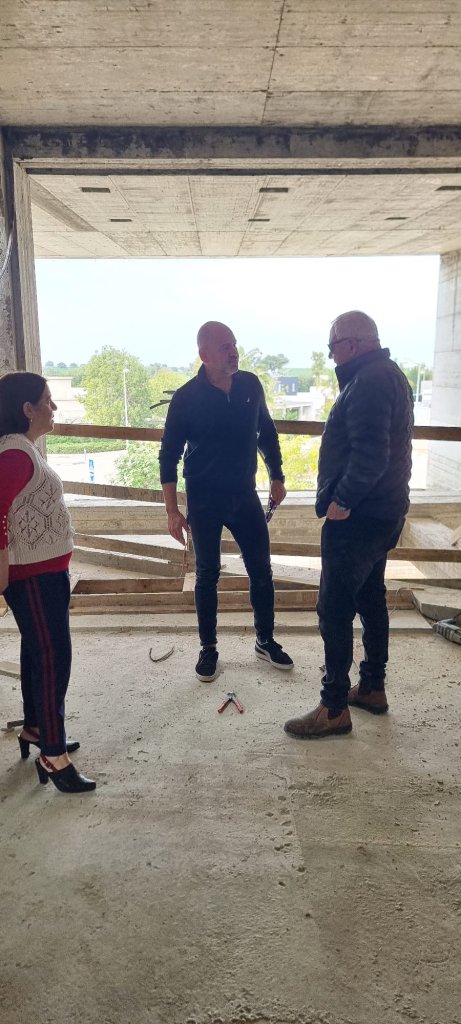
During Construction: Control over the Small Details that Produce the Big Result
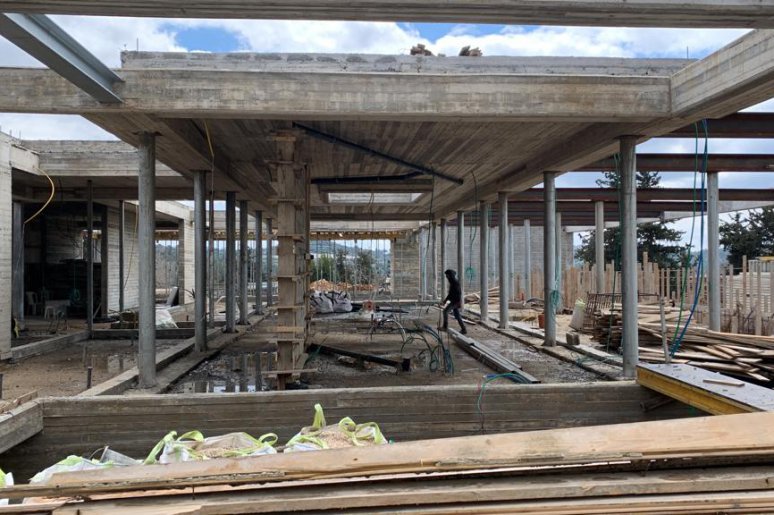
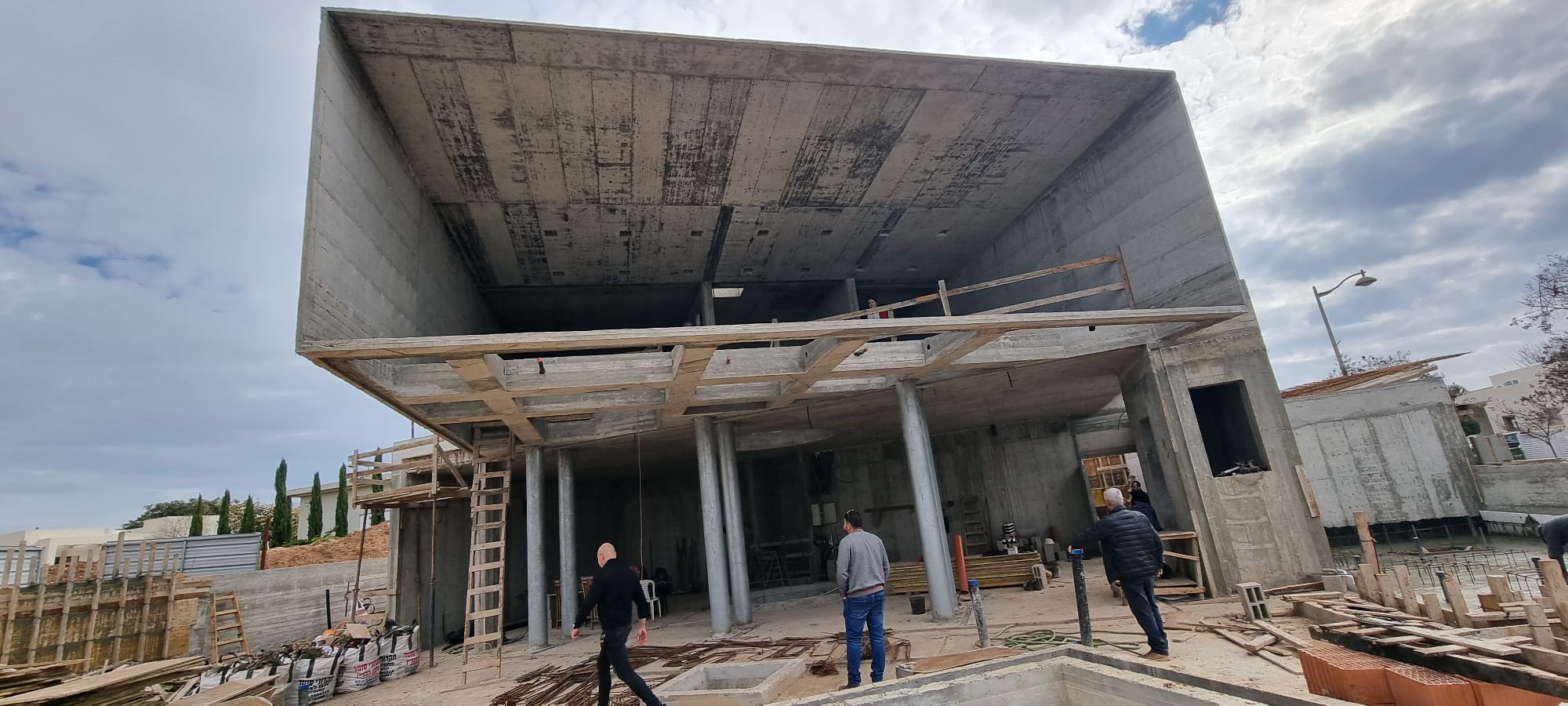
When the work is already being carried out on site, supervision takes on a more daily expression, but still relies on the same systemic vision. At this stage, the following are examined:
- The quality of actual execution versus the plans
- Compatibility between the works of different contractors
- Meeting schedules
- Real time decision making when unexpected issues arise
Examples of common situations:
- Concrete pouring performed without sufficient preparation for future systems, leading to breakages and repairs
- Cladding ordered in inaccurate dimensions, causing waste of material and double cost
- Finishing works carried out without sufficient control, harming the level of the final result
- The significance here is not only aesthetic. Every such mistake translates into cost, delay, and sometimes unplanned compromises.
Professional supervision maintains a uniform line, a high level of execution, and ensures that each stage of the project supports the next.
After Construction: The Process Does Not End Here Either
One of the points less talked about is what happens after the completion of construction. Even when the house looks ready, there is still importance in monitoring:
Year of inspection corrections (warranty repairs) Final adjustments with contractors and suppliers Verifying that all systems operate as designed Proper guidance at this stage ensures that the client is not left alone facing contractors, and that everything agreed upon is indeed implemented in practice.
Why Construction Supervision is an Economic Move, Not Just Professional
One of the misconceptions surrounding construction supervision is that it is an additional expense, another line in the budget. In practice, when examining the full picture, construction supervision is one of the most important economic tools in proper project management.
The meaning of supervision is not just control, but creating a working framework that prevents mistakes before they occur, and maintains continuous control throughout all stages of execution.
In practice, the economic value is reflected in several layers:
- Prevention of planning and execution errors: Changing the location of an electrical point after concrete pouring, correcting slopes in waterproofing, or adjusting openings after window installation, are all actions that can cost thousands and sometimes tens of thousands of shekels when discovered on site. Proper supervision identifies the gaps in advance and prevents the need for corrections.
- Precise coordination between professionals: In a construction project, a large number of factors operate simultaneously, including the skeletal contractor, electricity, plumbing, aluminum, carpentry, and finishes. A lack of coordination between them leads to double work, dismantling, and delays. Construction supervision creates a proper work sequence, where each stage is planned in accordance with the next stage.
- Maintaining schedules as a budgetary component: Every delay on site translates into cost, whether it is the continued employment of professionals, order changes, or delayed occupancy. Professional supervision prevents the project from slipping and keeps it within the set timeframe.
- Quality control as a basis for future savings: Finishing works that are not performed at a high level, systems that were not planned correctly, or unsuitable raw materials can all generate maintenance and repair expenses years down the road. Construction supervision maintains a level of execution that significantly reduces future costs.
When looking at the project as a whole, construction supervision is not an additional cost, but a mechanism that protects the investment, guards the budget, and allows obtaining full value for every design decision.
Our Perspective at Israelevitz Architects
Over years of designing and accompanying private homes and complex projects, the understanding has sharpened that construction supervision is not a stage that begins on site, but a process that begins already at the conceptual stage and accompanies the project throughout its entire length.
The basis for this approach is a systemic view. Every decision, no matter how small, affects other systems in the house. The location of a wall, choice of material, or a change in a carpentry detail all have implications for lighting, infrastructure, convenience of use, and the overall feel of the space.
The ability to connect all these layers in real time is what allows supervision to be truly effective.
At Israelevitz Architects, supervision relies on several clear principles:
- Going down to the smallest details, not out of perfectionism for its own sake, but out of the understanding that this is where quality is created
- Accurate translation of architectural design into actual execution, without compromise
- Managing continuous communication with the client, so that every decision is made with full transparency
- Coordinated work with all professionals, out of overall responsibility for the final result
- Supervision is not a reaction to mistakes that have already happened, but a system that identifies risk points in advance, prevents deviations from the design, and maintains a uniform line all the way.
When the process is managed correctly, the client is not required to fight fires, but can operate with confidence that the project is progressing exactly as planned.