Precise Planning in a Crowded City | Israelevitz Architects
Tel Aviv does not surrender easily. It is dense, noisy, complex, regulatory, and sometimes even cheeky. Anyone planning a private house there needs to understand not just architecture, but the city itself. To understand that here, every plot is a different story, every street has its own rules, and every house is required to maintain a constant dialogue with its environment.
An architect in Tel Aviv is measured not only by design ability but by the capacity to navigate within a dense system of constraints while still creating a private home that is precise, quiet, lit, and pleasant for living. This is the type of planning that has characterized the firm’s work over the years, expressed through the clear and consistent planning approach of Israelevitz Architects, based on an in-depth understanding of the city and not just a formal language.
For additional Private House projects in Tel Aviv and other cities – click here
Tel Aviv of Neighborhoods, Not Cliches
There is no resemblance between a house in Tzahala and a house in Neve Tzedek, and no connection between a plot in Afeka and a plot in Florentin. Every neighborhood in Tel Aviv carries its own character, scale, pace of life, and set of limitations.
Tzahala seeks privacy and breathing space. Neve Tzedek requires historical sensitivity and a dialogue with the street. Afeka, on the other hand, demands a balance between understated luxury and neighborliness.
In-depth acquaintance with these neighborhoods is not theoretical. It is acquired through actual planning—by dealing with city zoning plans (TABA), inspectors, neighbors, and committees. This is work that happens on the ground, not on paper.
Small Plots Require Big Thinking
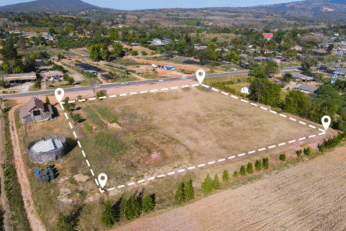
One of the central challenges in planning private homes in Tel Aviv is plot size. In most cases, there are small, narrow plots with rigid building lines and very little margin for error. Every planning decision carries weight, and every small deviation affects the quality of life in the entire house.
This is where true architecture is tested: not in the ability to create a design gesture, but in the ability to manage space. To create a sense of space within clear boundaries, to bring in natural light from precise locations, and to maintain privacy even when the street is close and present.
Planning parking, the entrance to the home, and the internal flow between spaces requires integrated thinking, one that understands the house as a single system. The result is a home that feels larger than it is, comfortable to live in, and adapted to the family even in the heart of a dense city.
City Regulation as Part of Planning, Not an Obstacle
In Tel Aviv, you cannot ignore regulation, but there is also no reason to fight it. City regulation is an integral part of the local architectural language, and those who know the city deeply know how to read it and plan from within it.
Early understanding of municipal requirements, licensing processes, and possible points of friction allows for precise planning from the very first stages. This type of planning reduces surprises, shortens processes, and creates planning “peace of mind” throughout the journey.
When regulation is integrated as part of the concept rather than as an afterthought, the project moves forward with confidence, and the house is built with full control over the process, not as a reaction to constraints.
Accumulated Experience in the City Makes the Difference
Under Israelevitz Architects, the planning of about 15 private houses in Tel Aviv has been executed. Not as a random collection of projects, but as a cumulative learning process within a city that poses different challenges with every new plot. Every house adds another layer of knowledge about changing regulations, neighborhood dynamics, street interaction, privacy boundaries, and how light, movement, and parking behave in a dense city.
This is experience built over time through continuous work in the city. It allows for a broad and confident perspective on every project from the initial stage, identifying patterns before they appear on paper and understanding friction points while still in the sketch phase.
When the acquaintance with Tel Aviv is repetitive and consistent, the planning stops reacting and starts leading. The house is not just a solution for a plot, but a complete system planned out of a deep understanding of the city and the family’s life within it.
A Tel Aviv Private House is an Exercise in Balance
A private house in Tel Aviv needs to balance openness and closure, light and privacy, city and home. It is a design that requires mastery of space, an understanding of scale, and the ability to distill the family’s needs into a precise architectural solution. Not ostentatious, not effortful, but one that knows its place.
If you are looking for an architect in Tel Aviv who understands the city in depth and knows how to turn its complexity into a planning advantage, contact Israelevitz Architects, and together we will put plans on paper for the home that is right for you and the place where it stands.
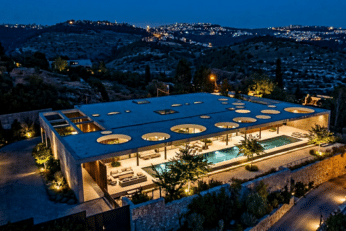
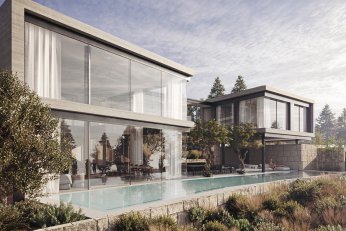
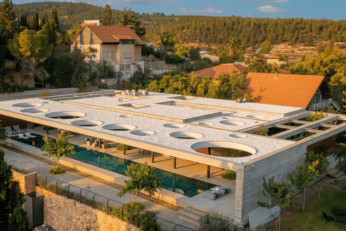
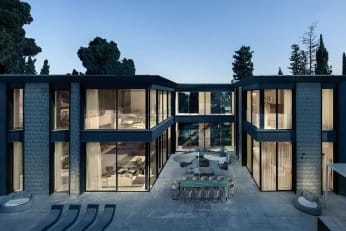
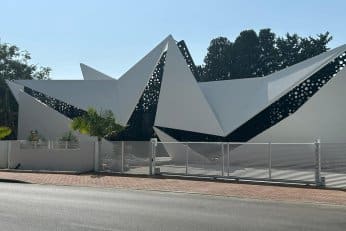
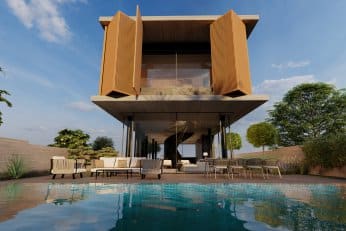
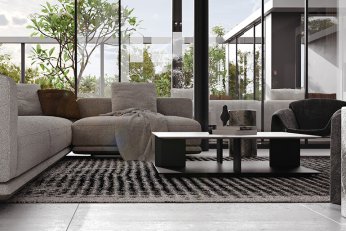
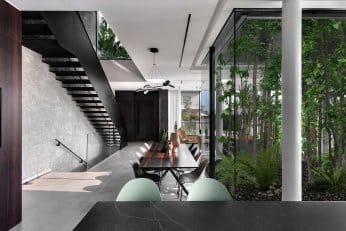
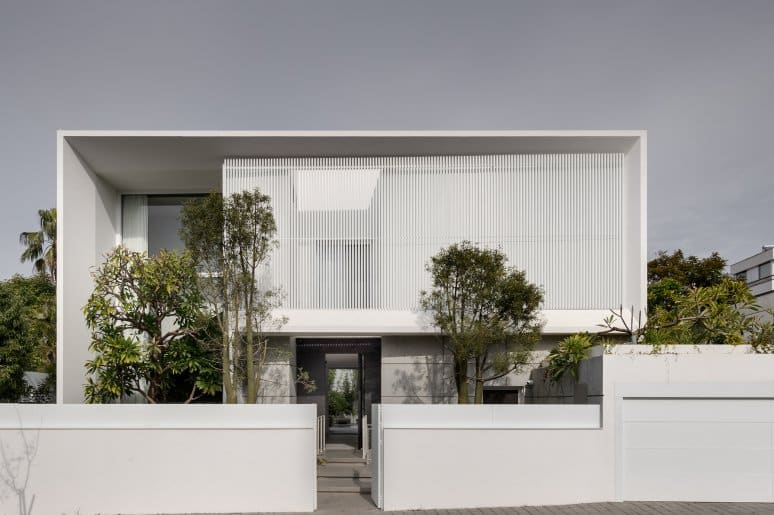
Some of the houses we built in Tel Aviv
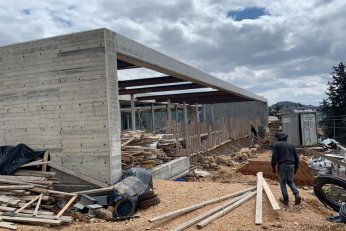
Plot size: 900 m² Built area: 700 m² location: Tel Aviv, Zahala Completion Date: under constraction
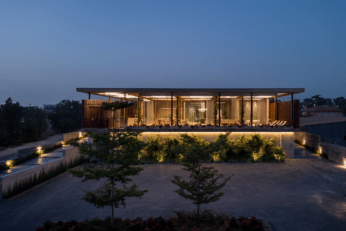
Plot size: 566 sqm Built area: 400 sqm location: Tel-Aviv Completion Date: 2023
Plot size: 500 m² Built area: 300 m² location: Tel Aviv Completion Date: under constraction
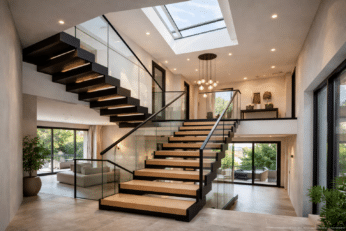
Plot size:490 m² Built area: 300 m² location: Tel Aviv Completion Date: 2021