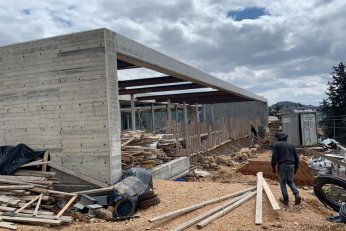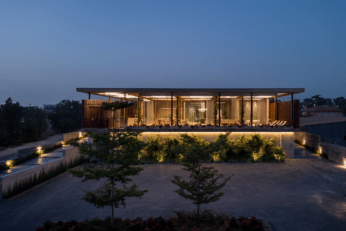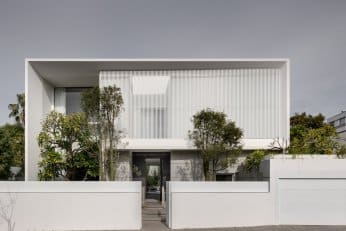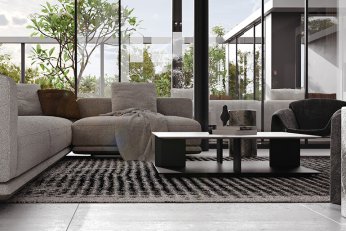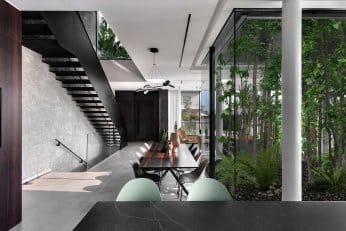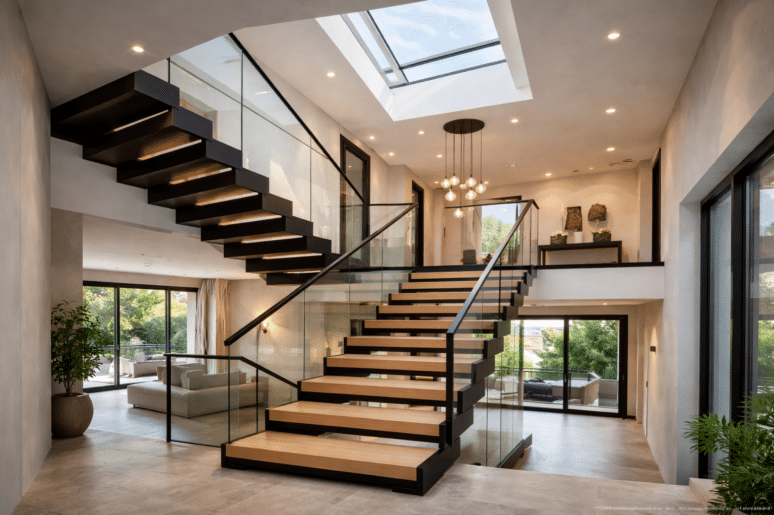
In many cases, the right solution is not moving to a new house, but rather adding a second story to the existing home. This strategy allows homeowners to expand their living space while preserving all the benefits of their current location and significantly increasing the property’s equity.
A second-story addition is not just another home renovation; it is a comprehensive architectural undertaking that redefines the living experience, the flow of the home, and the relationship between indoor and outdoor spaces. It is a process that demands precise planning, a holistic vision, and the ability to turn a home expansion into a genuine lifestyle upgrade. Over the years, Israelevitz Architects has guided projects of this nature with a philosophy that views a story addition as an opportunity to redesign the entire home.
Who is a Second-Story Addition For, and When is it the Right Move?
Adding a story is particularly suitable in the following scenarios:
-
Limited lot size: When zoning laws or property lines prevent you from expanding horizontally into the yard.
-
Changing family dynamics: When the family requires additional private spaces, a spacious primary suite, home offices, or guest rooms.
-
Value appreciation: When homeowners want to substantially increase the property’s market value.
-
Prime location: When the home is situated in a highly desirable neighborhood and moving is highly undesirable.
-
Preserving the backyard: When seeking to upgrade the living experience without losing valuable outdoor space and connection to the garden.
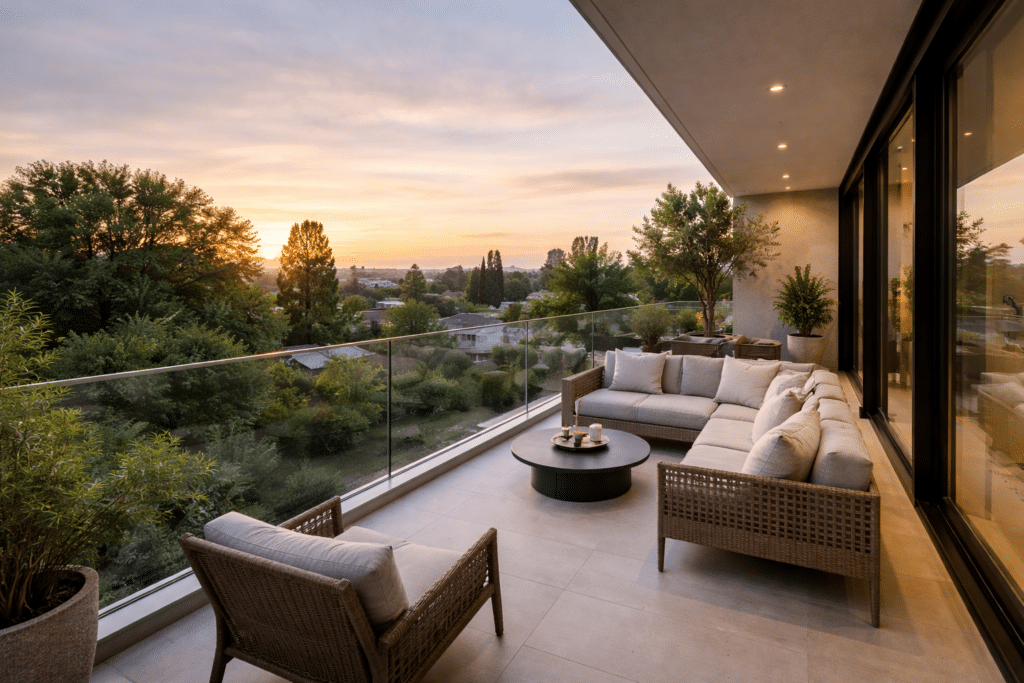
In luxury homes, adding a story makes it possible to create private upper levels featuring primary suites, expansive balconies, quiet home offices, or separate entertaining areas, all while maintaining an open ground floor that seamlessly connects to the backyard.
The Process: Steps and Key Preparations
The success of a second-story addition depends on a gradual, precise process. This undertaking must be professionally managed from the very first steps:
-
Zoning and Building Rights Assessment: A thorough review of local zoning laws, building codes, height limitations, and municipal guidelines to ensure the expansion is legally permitted.
-
Structural Engineering Inspection: Not every house is structurally framed to bear the weight of an additional story. Significant structural and foundation reinforcement is sometimes required.
-
Comprehensive Architectural Design: This stage defines the new spaces, the staircase placement and connection between floors, natural lighting, traffic flow, and the integration of the new story with the existing structure so that it looks like a natural, cohesive extension.
-
Permit Application: A bureaucratic process requiring precise blueprints, structural engineering stamps, and local regulatory approvals.
-
Construction and Project Management: Precise on-site building while maintaining high standards of execution, quality control, and strict schedules.
How Much Does a Story Addition Cost, and What Affects the Budget?
Many clients are surprised to learn that a high-quality second-story addition is a more complex investment than a standard ground-floor extension. The budget is heavily influenced by several factors:
-
The need to reinforce the existing foundation and framing.
-
The quality of materials and high-end finishes.
-
Upgrading electrical panels, HVAC systems, and plumbing lines.
-
Designing custom staircases, residential elevators, and new window architectural features.
-
The complexity of carrying out construction if the family chooses to remain in the home during the build.
However, when the project is managed correctly, a story addition significantly boosts the home’s value, often elevating the property to an entirely new tier of luxury.
Common Mistakes to Avoid
In second-story addition projects, similar mistakes often recur—primarily when the expansion is treated as a localized add-on rather than an opportunity to redesign the entire living experience. In such cases, the house grows in square footage, but the quality of life, flow, and daily comfort do not improve accordingly, and may even be compromised. Early planning mistakes also tend to snowball into unnecessary expenses and costly change orders during construction:
Partial planning that ignores the home as a single entity Designing only the new floor without re-evaluating the layout of the entire house can create a jarring disconnect between levels. This disrupts traffic flow and offsets the balance between entertaining spaces, family areas, and private quarters. A successful story addition is born out of a holistic, harmonious view of the entire home and how life unfolds within it.
Focusing on adding square footage instead of creating a new living experience More rooms do not automatically make a better home. When design focuses strictly on square footage rather than the quality of the spaces, privacy, natural light, and daily comfort, the resulting expansion fails to deliver the expected lifestyle upgrade.
Skipping the preliminary engineering inspection Failing to evaluate the existing structure early on can lead to complex engineering complications mid-construction, causing severe delays and budget overruns.
Hiring contractors without experience in vertical home additions Remodeling and building over an existing structure is entirely different from ground-up new construction. Inexperience can compromise execution quality, timelines, and the family’s safety and living conditions if they stay in the home.
Cutting corners during the design phase Shortchanging the planning stage or bypassing comprehensive architectural thinking frequently leads to expensive change orders during construction, makeshift solutions, and a final result that still feels misaligned with the family’s needs. Investing in deep, early planning ensures a flawless result the first time around.
The Architect’s Role in Guiding the Project
A successful story addition requires much more than drafting blueprints; it is a complex journey where every decision impacts how the home functions and feels for years to come. The architect’s role is to lead the project so that the final result never looks like a patchy add-on, but rather like a home that has been masterfully redesigned to meet the residents’ evolving needs.
-
Before the first sketch: The architectural guidance begins with an in-depth analysis of the household’s lifestyle and daily routines, looking far beyond a basic room checklist. This insight shapes a design concept aimed at creating indulgent, balanced, and highly functional living spaces, while anticipating future lifestyle changes.
-
During design: The architect ensures the new story integrates naturally into the existing structure—both architecturally and experientially. The connection between floors, staircase placement, traffic flow, natural light penetration, and privacy zoning are all re-evaluated so the entire home functions optimally.
-
System integration: The design maximizes natural light, airflow, and views, ensuring the new floor feels inviting and bright rather than isolated. Concurrently, electrical, HVAC, plumbing, and other infrastructure systems are meticulously planned to avoid improvised, retrofitted solutions during construction.
-
Permits and supervision: The architect manages the licensing process with local authorities, coordinates various engineering consultants, and maintains the balance between client desires, planning constraints, and budget. During construction, they provide ongoing supervision and coordinate with on-site professionals to ensure the physical execution remains faithful to the blueprints and meets the high standard of precision required.
This comprehensive approach defines our work at Israelevitz Architects. We ensure the additional story blends seamlessly into the home, making the entire property feel cohesively redesigned as one complete whole.
Turning Your Existing House into Your Precise Dream Home
Adding a story to a private home is a rare opportunity to transform your current house into a more precise, spacious, and luxurious home—without leaving the place you already call home.
Professional architectural guidance with Israelevitz Architects ensures this transition is executed precisely, elegantly, and correctly for the long term. If you are considering adding a story and want to explore how to achieve it at the highest standard, we invite you for a personal consultation at our studio. Together, we will review your planning options and chart the path to turning your house into the perfect living experience.