The average investor examines location, price, size, and physical condition. An architect examines an additional layer of information: building rights, planning restrictions, expansion potential, value-enhancement options, and market suitability. Quite often, it is precisely the data hidden from view that determines whether a project will be a successful investment or a costly missed opportunity. This is why more and more investors are choosing to involve architectural consulting as early as the property evaluation stage, well before making a decision on whether to purchase an existing home or embark on a new project.
Is it better to buy an existing house or build a new house in Israel?
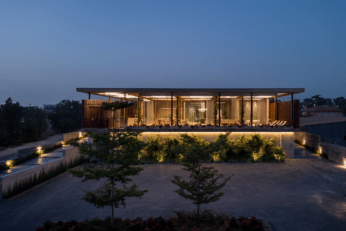
There is no single correct answer that fits every investor. An existing house can be an excellent opportunity when located in a high-demand area, especially if it includes unutilized building rights or allows for renovations and improvements that will significantly increase its value. On the other hand, a new build may be preferable when the goal is to maximize the land’s potential and design a property precisely tailored to market demands. The right decision depends on investment goals, budget, timelines, and the planning potential of the specific property.
What an investor sees vs. what an architect sees
When an investor visits a property, they are generally impressed by its overall appearance, the size of the house, the yard, and the location. These are certainly important factors, but they do not tell the whole story. An architect examines different questions:
-
Are there additional building rights?
-
Can the structure be expanded?
-
Are there planning restrictions that could affect future development?
-
Can the internal layout be altered relatively easily?
-
Are there building violations or licensing issues?
-
What is the long-term value-enhancement potential of the property?
Sometimes, a house that looks outdated and unattractive to a regular buyer turns out to be an excellent real estate opportunity. In other cases, a highly impressive property may be heavily restricted in terms of future development options.
When is an existing house the right investment?
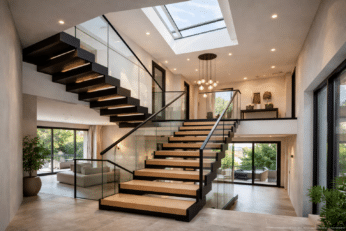
An existing house can offer significant advantages for investors looking for a deal with value-enhancement potential. In many cases, property value can be improved by redesigning spaces, adding extensions, upgrading facades, or adapting the structure to current market needs. Often, there are also unutilized building rights that can substantially increase the property’s worth.
Another advantage is the ability to tangibly assess the surroundings. You can see the street, the character of the neighborhood, and the quality of existing construction before making a decision.
However, it is important to remember that an existing house may harbor hidden costs related to aging infrastructure, construction defects, regulatory adjustments, or extensive renovation work.
When does a new build create a significant advantage?
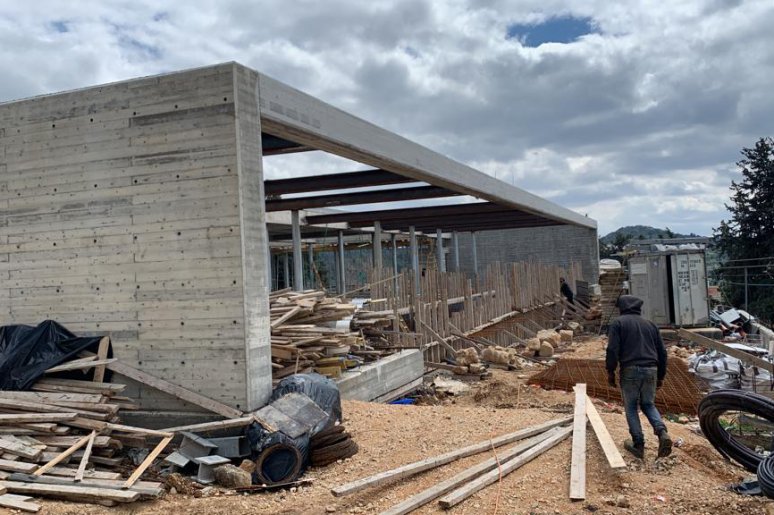
Building from scratch allows you to look ahead and plan a property in accordance with long-term investment goals.
When the land allows for the efficient utilization of building rights, it is possible to create a property that is optimally designed in terms of usage, size, spatial layout, and future value. Additionally, a new build enables the integration of modern technologies, energy-efficient systems, and design solutions that are not always possible in existing structures.
For certain investors, the ability to plan a project from the ground up provides a major advantage in terms of market positioning and achieving higher value over time.
The hidden costs that can change the viability of a deal
One of the most common mistakes in real estate is basing decisions solely on the purchase price.
In an existing house, unexpected expenses can arise regarding renovations, structural reinforcement, system replacements, defect remediation, or rectifying building violations. Similarly, in a new build, there are variables to consider, such as costs for design, permits, land development, infrastructure, and execution costs that may fluctuate throughout the project.
Professional guidance right from the start helps you see the full picture and make a decision based on the total cost, rather than just the entry price of the deal.
Why involve an architect during the property evaluation stage?
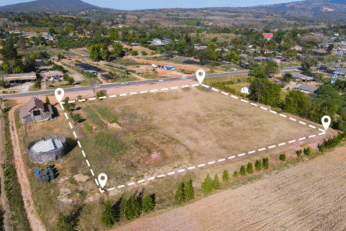
Many people only turn to an architect after they have already purchased a house or a plot of land. In practice, one of the most critical phases is actually the step prior to purchase.
An early architectural assessment can reveal opportunities that were not obvious to the investor, alongside risks that could impact the economic viability of the deal. It allows you to understand whether the property can be expanded, how building rights can be fully utilized, what the planning restrictions are, and what the true value-enhancement potential is.
For both local and overseas investors, this is invaluable information that can influence financial decisions involving hundreds of thousands or even millions of shekels.
In many cases, the difference between a successful investment and a missed opportunity lies not in the price of the property, but in the ability to identify its hidden potential.
At Israelovitz Architects, we guide property owners and investors from the very first decision-making stages, based on the philosophy that proper planning begins long before the first sketch. A thorough architectural analysis of an existing house or land plot allows you to make a more informed decision, mitigate risks, and identify opportunities that are not always visible to the naked eye.
Don’t Leave Your Investment to Chance – Consult an Architect First
Are you planning your next real estate move in Israel? Contact Israelovitz Architects today for an expert pre-purchase architectural evaluation. Let us help you maximize your property’s true potential from day one.