What is Architectural Planning and Why is it Important?
Whether you are building from scratch, adding a floor, or re-dividing an existing home, it is crucial to consult an architect who will create a customized plan tailored to your needs. The goal is to ensure the construction is legal, meets standards, and remains practical based on human engineering suited to the residents.
The Stages of Architectural Planning
Stage 1: Feasibility and Current Status
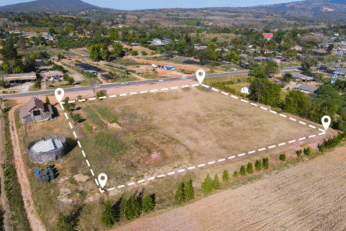
Site visit, measurements, and checking building rights. Professionals like engineers and surveyors are involved to determine if the structure can support the planned expansion.
Stage 2: Needs Assessment and Program
Professional planning is based on the homeowner’s requirements. Key factors include:
Budget: Set a budget and keep 15-20% aside for unexpected expenses.
Building a Program: A detailed list of needs, including the number of family members, required rooms, storage, garden/balcony size, and design style.
Environmental factors: Considering wind directions and natural light to save on electricity and cooling costs later.
Stage 3: Initial Sketch and Master Plan
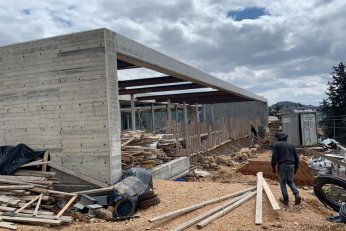
The architect creates initial sketches with various options. Once approved, these are developed into 3D visualizations to give a realistic feel of colors and atmosphere. Finally, the master plan is broken down into specific sets: demolition, construction, electrical, plumbing, lighting, HVAC, flooring, and more for the professionals on-site.

Architecture with Style in Israel
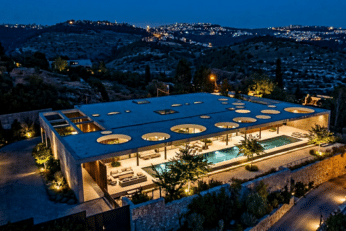
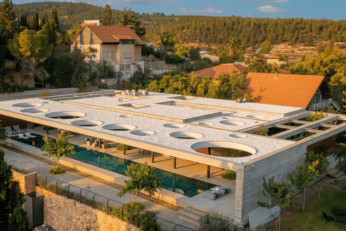
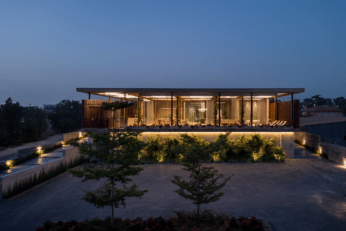
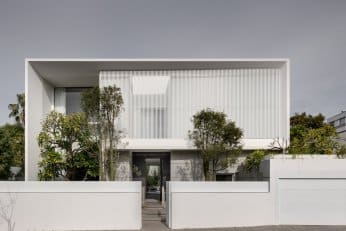
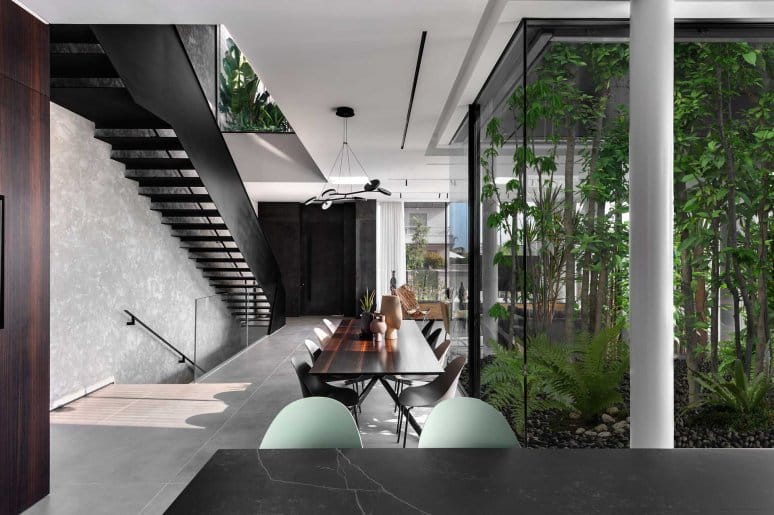
In Israel, architectural style often leans toward minimalism, following the principle of “Less is More.” This approach highlights space through minimal items, contrasting or monochromatic color palettes, and high-quality materials (often imported).
Many young couples, particularly in central Israel (Ramat HaSharon, Herzliya, Ra’anana, etc.), now seek sophisticated designs that appear simple but radiate
quality and quiet power.
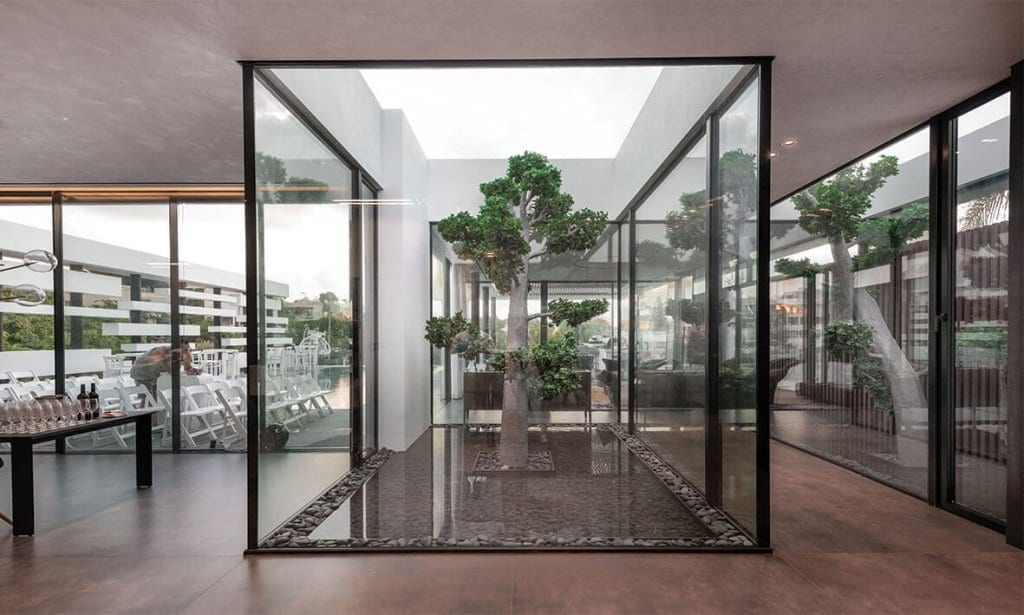
Israelevitz Architects – Style and Excellence
Dan and Hila Israelevitz’s firm is one of the leading architectural offices in Israel, with an impressive portfolio of stunning villas in Savyon, North Tel Aviv, and beyond. They believe that precise planning is the result of close collaboration with the client, attending to every detail from initial research to the final delivery of the project.