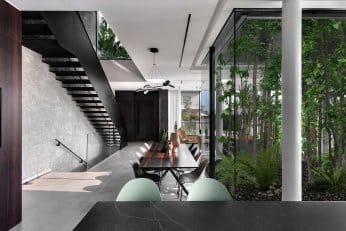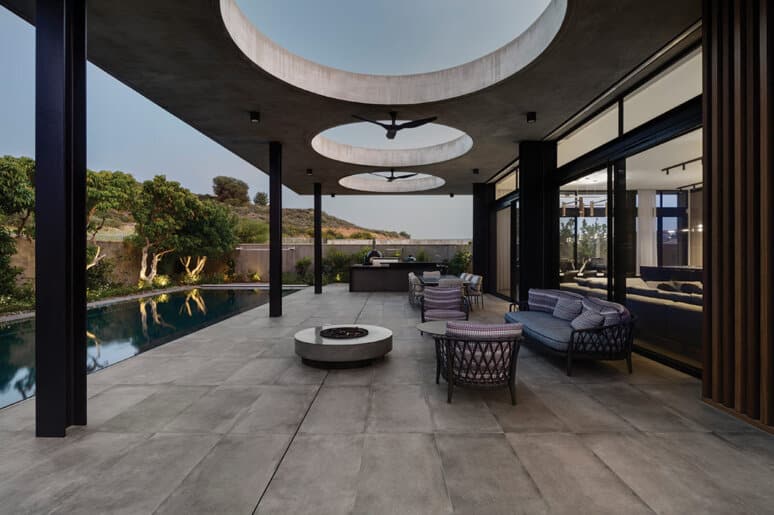
What is Israel Architecture?
Objectively, Israel architecture is not a single, continuous historic style. Rather, it is an architectural timeline of a young nation that rapidly absorbed global design movements, primarily from Europe, and adapted them to an intense Mediterranean climate, dense topographies, and complex socio-economic shifts.
It is a discipline born out of urgency but refined through an ongoing dialogue between raw functionality and high end aesthetics.
Core Characteristics of Traditional Israeli Design
Historically, the foundations of modern building in Israel rely on a few distinct visual and structural identities:
- The International Style: Brought by European architects in the 1930s, this style features clean, unadorned white geometries. In Israel, it was adapted with deeply recessed balconies and shaded openings to protect interiors from the blinding sun.
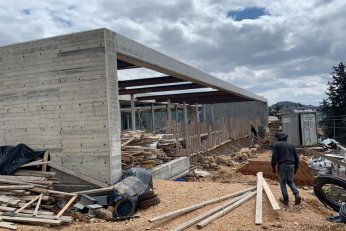
- New Brutalism: Dominating the 1950s through the 1970s, this movement utilized raw, exposed concrete. It provided massive structural durability, cost efficiency, and heavy thermal mass suitable for desert and coastal zones.
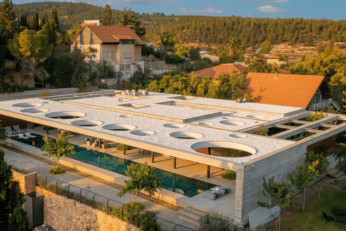
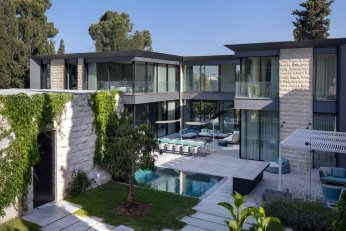
- The Mandatory Stone Code: In cities like Jerusalem, local bylaws mandate that all building exteriors be clad in natural limestone, embedding a historic, tactile texture into every structure.
Does this construction exist today?
Yes, these structures form the physical backbone of Israel’s cities. Tel Aviv remains the global capital of preserved Bauhaus architecture, while state institutions, universities, and older residential quarters across the country still showcase massive Brutalist concrete forms.
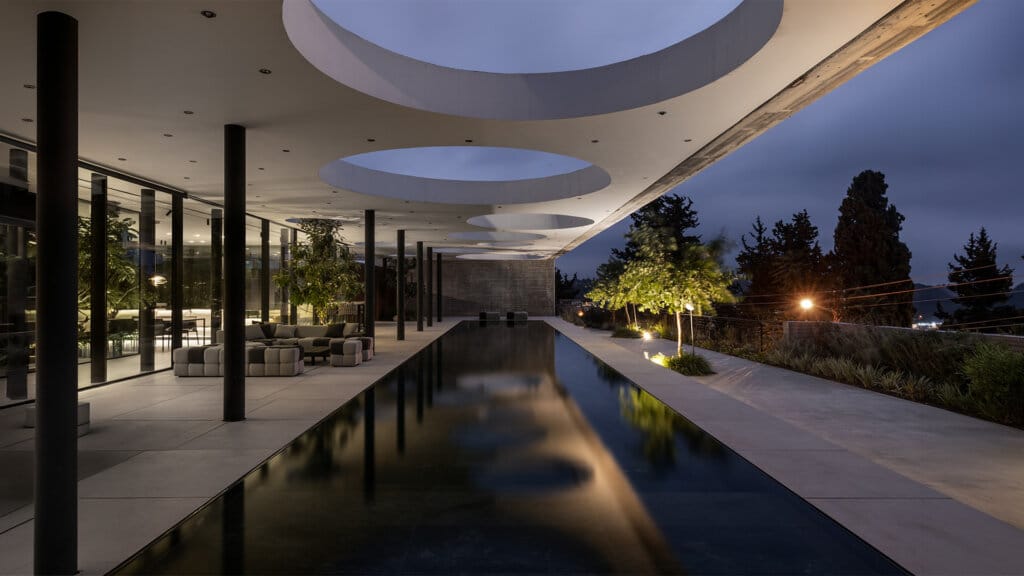
Optimization: Fitting into a Modern Environment
To optimize these elements for the contemporary luxury buyer, modern Israel architecture preserves the structural intelligence of the past while completely liberating the spatial experience.
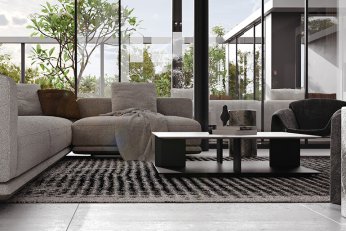
We optimize traditional architecture by utilizing hidden steel supports to eliminate heavy interior columns, allowing for massive open floor plans. We replace small, shaded windows with advanced, high performance insulated glass that allows panoramic views without transferring solar heat. Finally, we integrate smart home automation and invisible climate control directly into the architectural bones of the building, ensuring the home functions flawlessly.
The Israelevitz Approach: Elevating Israel Architecture
This exact point of optimization is where our firm, Israelevitz Architects, operates. Led by Dan and Hila Israelevitz, we take the raw parameters of historical Israeli design and elevate them into haute couture architecture. Our studio specializes in turning the potential friction of local construction into a celebratory, seamless journey for our international clients.
The Philosophy of “Warm Minimalism”
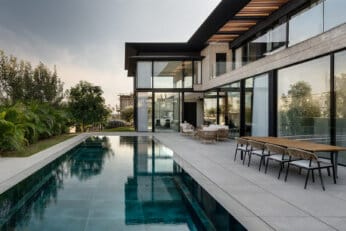
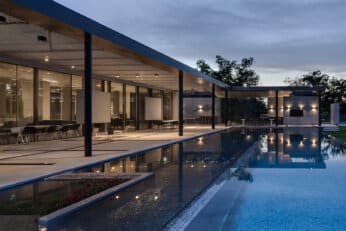
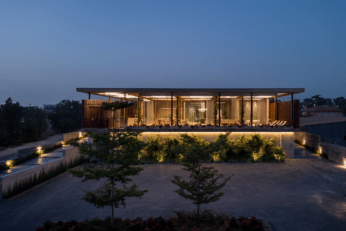
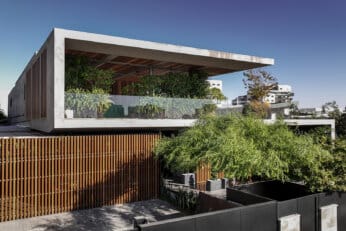
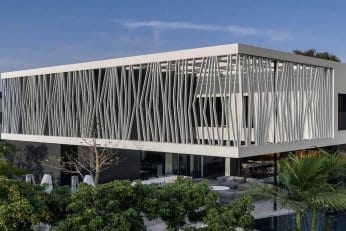
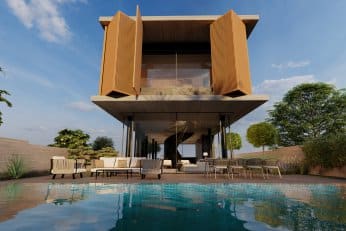
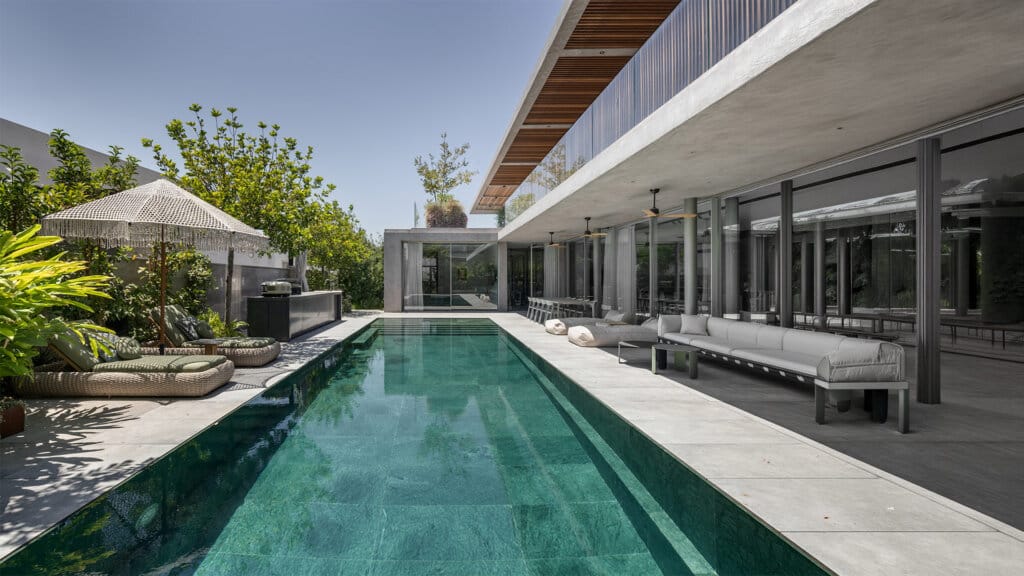
Traditional modernism can feel detached. We shatter this stereotype through warm minimalism, masterfully playing with Israel’s most abundant natural resource, its intense, beautiful light. By engineering custom structural screens, cantilevered overhangs, and reflecting water features, we treat light and shadow as actual building materials that bring warmth and emotion into a minimalist space.
Reveal Less, Suggest More
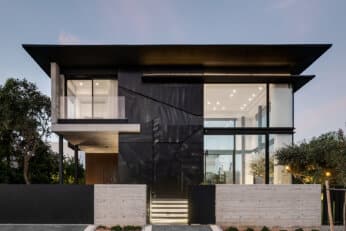
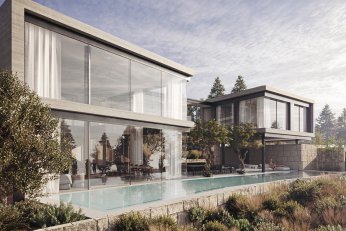
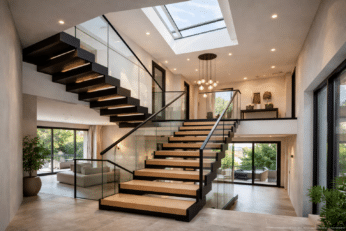
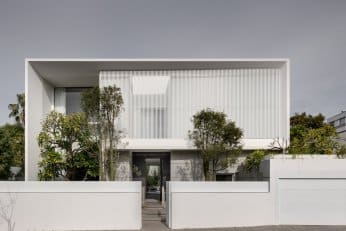
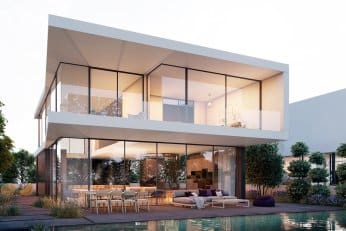
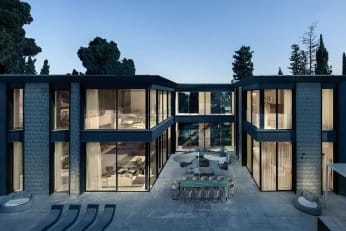
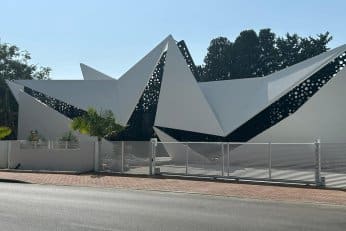
Our core design principle centers on a concept of concealment and curiosity. From the street level, our homes present private, monolithic, and sculptural facades that offer total seclusion from the outside world. Yet, the moment you pass the entry threshold, the architecture completely opens up via massive glass pocket doors, entirely blurring the lines between indoor luxury and your private outdoor oasis.
Flawless Regional Execution
We understand that global investors demand an uncompromising level of finish, but building in Israel means navigating entirely different architectural rules depending on your chosen location. Our firm provides the hyper-local expertise required to master these regional nuances while maintaining a world-class standard of engineering.
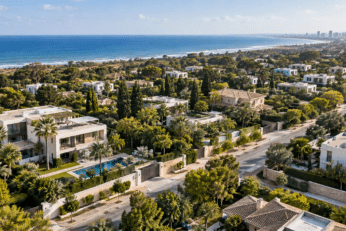
If your vision is a sprawling, resort-style estate defined by sweeping coastal views and infinity pools, we design to withstand the humid, salt-heavy marine air as your Architect in Caesarea or your boutique Architect in Herzliya
For those who prefer the high-energy pulse of the city, urban architecture is an exercise in absolute spatial balance. Tel Aviv, for example, does not surrender easily; it is dense, regulated, and every neighborhood carries a completely different character, from the understated luxury of Afeka to the breathing space of Tzahala.
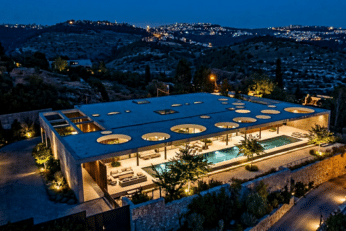
Meanwhile, building in the capital is a sacred category of its own. Anyone purchasing land here must partner with an experienced Architect in Jerusalem who knows how to seamlessly merge ancient, historic materials with cutting-edge interior luxury, ensuring strict municipal stone codes are met without compromising on contemporary design.
No matter where you choose to ground your legacy, our studio takes on the heavy lifting of local bureaucracy, ensuring your dream home is executed to the exact millimeter.