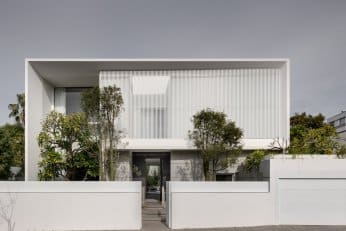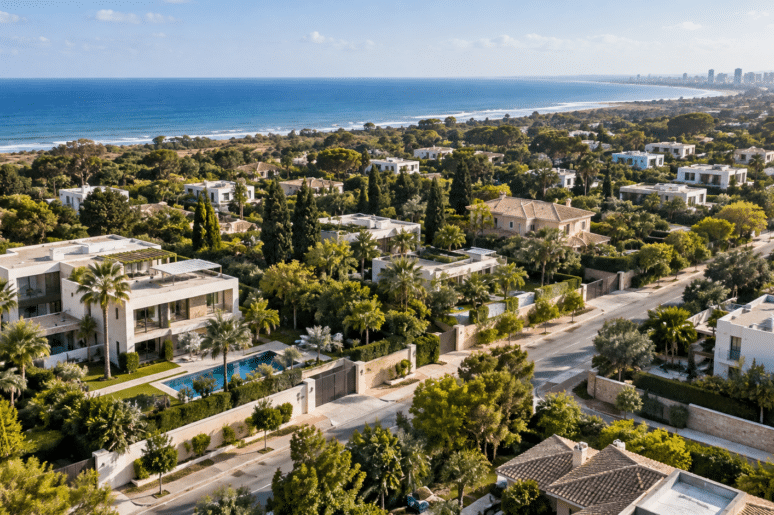
But when the investment is substantial, particularly when you are considering buying a private home, renovating an existing villa or purchasing land to build, the neighborhood deserves as much attention as the property itself.
For overseas buyers, analyzing an Israeli neighborhood before buying means looking beyond current property values and asking a broader question: will this location support the home, lifestyle and long-term value you expect from the investment?
That requires looking at the neighborhood as it exists today, what is planned around it, and what the specific property could ultimately become.
Start With Your Reason for Buying in Israel
The right neighborhood depends first on what you expect the property to do for you.
A family preparing to relocate permanently to Israel may prioritize schools, community, everyday services and commuting. A family looking for a second home may place greater importance on privacy, entertaining, proximity to the sea or easy access from the airport. An investor may look more closely at demand, development and the property’s future potential.
For buyers planning a custom home, another question enters the equation: can this neighborhood accommodate the type of house you actually want to build?
A desirable address does not automatically make every plot within it equally suitable.
Before narrowing the search, define whether you are looking for:
Permanent relocation
Community, schools, services, accessibility and daily lifestyle
Second home
Privacy, maintenance, security, accessibility and hosting
Existing luxury home
Quality of construction, renovation potential and surrounding development
Land for a new home
Building rights, plot characteristics, orientation and planning restrictions
Long-term investment
Transaction history, development plans and future property potential
Look at Actual Transactions, Not Only Asking Prices
Property listings show what sellers hope to receive. They do not necessarily show what buyers have actually paid.
Israel’s Tax Authority maintains a public real estate database that allows users to search property transactions by location or block and parcel number. This can provide a useful starting point for understanding transactions in the area rather than relying exclusively on current asking prices.
For an overseas buyer unfamiliar with the Israeli market, comparisons also need context. Two properties that appear similar in size and location can offer very different opportunities because of the plot, planning rights, condition of the existing structure or surrounding development.
Price per square meter tells only part of the story.
Investigate What Is Planned for the Neighborhood
One of the most important questions is also one of the easiest to overlook when viewing a beautiful property:
What might be here five or ten years from now?
Israel’s Planning Administration provides public access to XPLAN, which displays master plans submitted to planning authorities. Buyers can search an area and examine current and future plans, their status and associated planning documents.
This matters because today’s surroundings are not necessarily tomorrow’s surroundings.
Future roads, new residential development, increased density or changes to nearby land can affect privacy, traffic, views and the character of an area. Conversely, planned infrastructure and carefully managed development may improve accessibility and strengthen the attractiveness of a location.
When evaluating a high-value property, therefore, do not analyze only what you can see during the viewing. Investigate what has already entered the planning system.
Walk the Neighborhood at More Than One Time of Day
Data cannot tell you everything.
A quiet street at 11 a.m. may feel very different at 8 a.m. or 6 p.m. Traffic patterns, school activity, parking, noise and the way public spaces are used become clearer when an area is experienced at different times.
If you are buying from overseas, this is one area where local representation becomes particularly valuable.
Look beyond the property gates. How does the street feel? What happens on neighboring plots? How close are houses to one another? Where does traffic enter and leave? Is the area predominantly established, or are many properties being demolished and rebuilt?
For a future private home, these details can influence architectural decisions later, from the position of living areas and bedrooms to landscaping, entrances, screening and outdoor entertaining spaces.
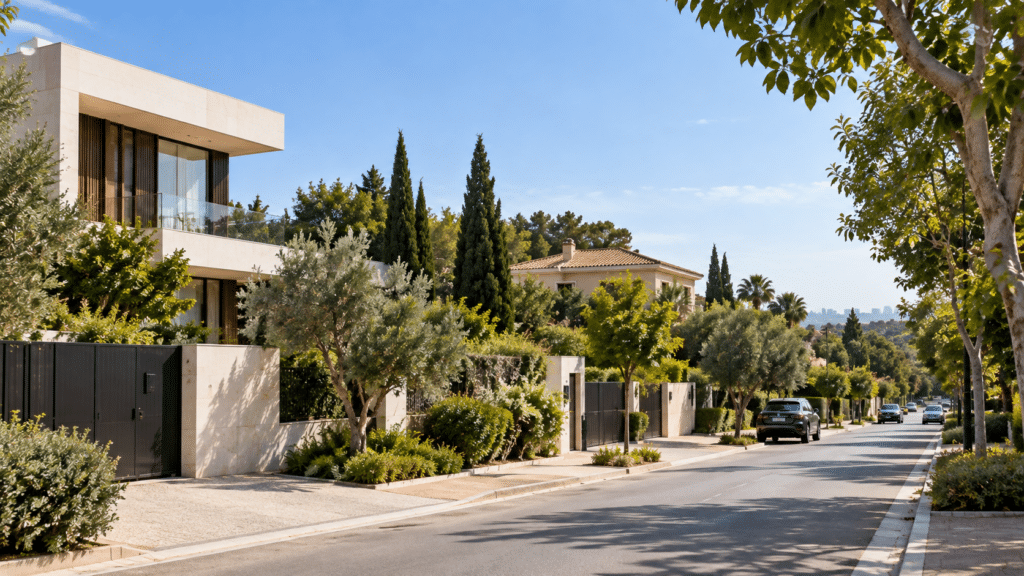
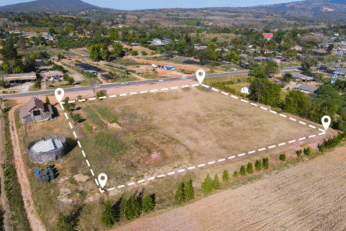
Don’t Just Analyze the Neighborhood, Analyze the Plot
This is where a conventional property search and an architectural assessment begin to diverge.
Two plots on the same street can have very different potential.
Orientation affects sunlight and shade. Topography can create dramatic architectural opportunities, but may also make construction more complex. The relationship with neighboring properties affects privacy. Plot proportions influence how naturally the house, garden, pool and outdoor spaces can be organized.
Then there are the planning questions.
What are the applicable building rights? What setbacks must be maintained? What restrictions apply to height, footprint or use? Is additional construction potentially possible? If there is an existing house, is renovation the sensible route, or does the underlying plot present a better opportunity for a new design?
For example, local authorities provide planning information concerning building rights, permits and property-specific planning requirements. Depending on the property and the nature of the rights involved, information from the Israel Land Authority may also be relevant.
These are not questions that should be answered from the real estate listing.
An Older House May Be a Better Opportunity Than a Newer One
For buyers with the resources and time to create a bespoke home, the most visually impressive property is not always the most interesting acquisition.
An older villa in the right location may offer something far more valuable: an exceptional plot.
This changes the way a property should be evaluated.
Instead of asking only, “Do we like this house?”, consider:
Do we like this location and this plot enough to create the house we actually want here?
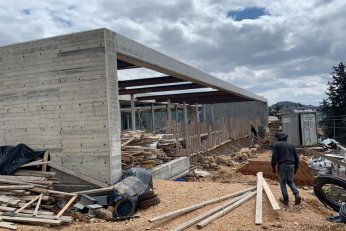
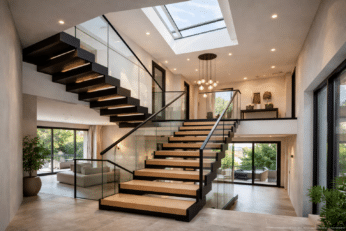
A dated interior can be redesigned. An existing building may sometimes be substantially renovated or, subject to planning and professional assessment, replaced. The orientation, proportions and location of the land itself are much harder to change.
For investors and future homeowners alike, understanding this distinction can reveal opportunities that are easy to miss when properties are judged primarily by photographs.
Check Ownership and Property Rights Carefully
Architectural potential is only one part of due diligence.
Buyers should also have the property’s legal status examined by an Israeli real estate attorney. Israel’s Land Registry extract, commonly referred to as a Tabu extract, can contain information about registered ownership, mortgages, liens, judicial orders and restrictions.
Not every Israeli property is held under exactly the same form of rights. Some properties involve rights administered by the Israel Land Authority, and the Authority itself distinguishes between ownership and various leasehold arrangements.
This is particularly important for overseas buyers, who may assume that property ownership structures work in the same way as they do in their home country.
Legal, tax, planning and architectural due diligence serve different purposes, and a high-value purchase may require all of them.
Think About the Home You Will Need Five Years From Now
Overseas buyers sometimes assess an Israeli property according to their life today rather than the life they are planning in Israel.
That can be a mistake.
If relocation is part of the plan, think ahead. Will adult children and grandchildren visit regularly? Will you work partly from home? Do you expect extended family to stay for long periods? Will the property remain empty for several months each year? How important are outdoor living, a pool, entertaining and guest accommodation?
The answers can change which neighborhood, and which individual property, makes sense.
For families moving from the United States or Europe, this is also where expectations about space, privacy, storage, kitchens, entertaining and the relationship between house and garden may need to be translated into the Israeli context rather than simply reproduced.
When Should You Involve an Architect?
You do not necessarily need to wait until after purchasing a property to speak to an architect.
For someone considering a significant investment in a private property or building plot, architectural input before the purchase can add another perspective to the due diligence process.
A real estate professional can help identify the market opportunity. An attorney examines the legal transaction. Tax advisers can address the tax implications. An architect can ask a different question:
Can this property become the home you are buying it to create?
That may involve reviewing the plot and its surroundings, considering planning possibilities and constraints, examining an existing building and assessing the relationship between the client’s ambitions and the property being considered.
For an overseas buyer, that perspective can be particularly valuable because many important decisions are being made from thousands of miles away.

From Property Search to a Home in Israel
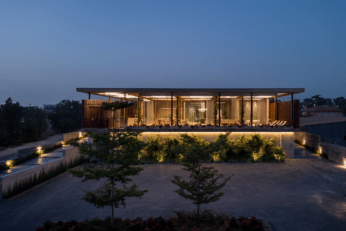
Israelevitz Architects has been designing private homes in Israel since 1998, with an approach that considers the entire relationship between architecture, site, materials, light, landscape and the way the owners intend to live.
For international clients, the process can begin before construction and even before the final property decision. Understanding the architectural potential of a plot or existing home can help connect a real estate purchase with the long-term vision behind it.
Once a property has been selected, that understanding can continue into architectural planning, design and the construction process in Israel, while communication and decision-making are managed with clients abroad.
If you are considering buying a private property or land in Israel with the intention of renovating, rebuilding or creating a new home, an architectural perspective at the evaluation stage can help you look beyond what is there today and understand what may be possible tomorrow.