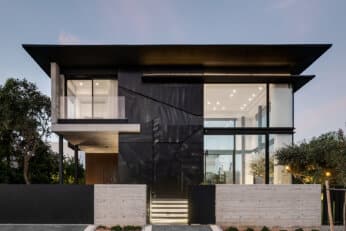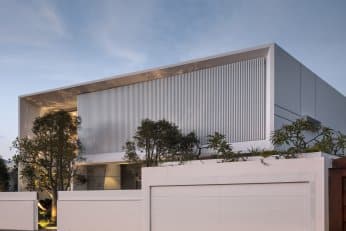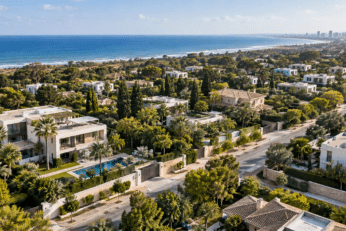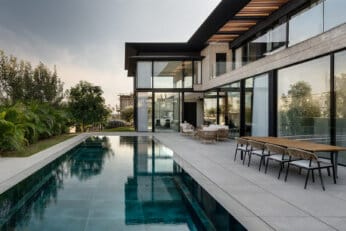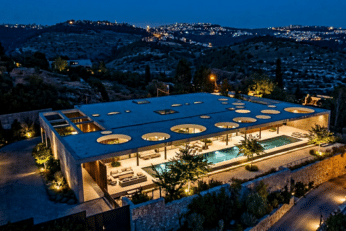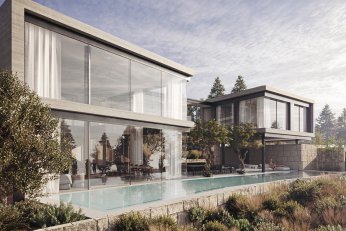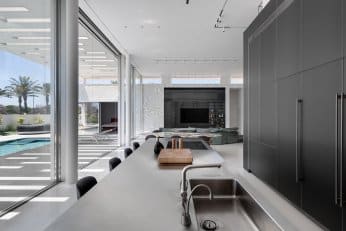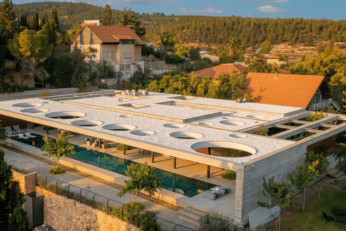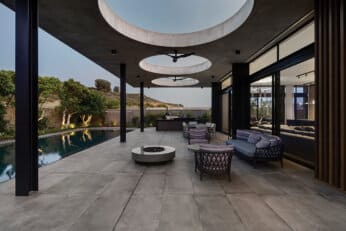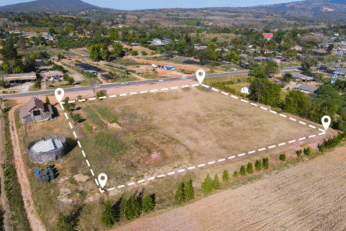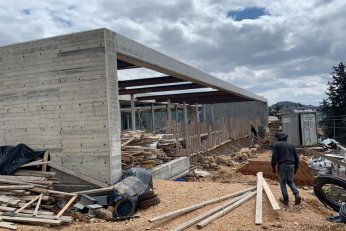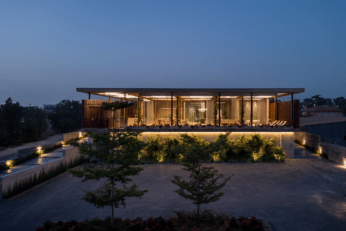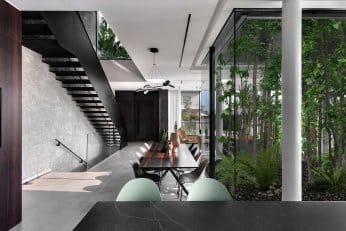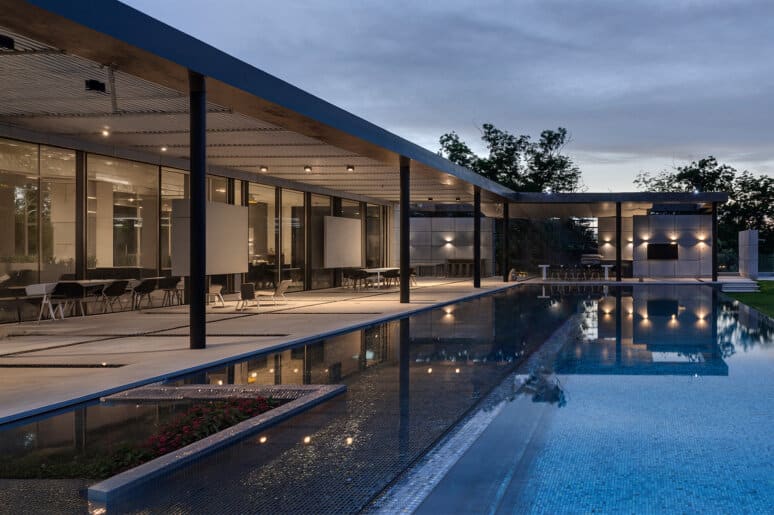
However, successful renovation requires much more than selecting new materials or updating the interior. Every project is influenced by planning regulations, building rights, structural conditions, municipal requirements, and the unique characteristics of the property itself.
A well-planned renovation begins with understanding what you want to achieve, what is possible within the existing structure, and how to create the greatest value from the investment.
Why Renovate an Existing Home?
Many homeowners choose renovation because an existing property often offers advantages that cannot easily be replicated.
A renovation allows you to:
- Stay in a desirable established location
- Preserve unique architectural character
- Adapt spaces to your family’s lifestyle
- Improve functionality and comfort
- Modernize outdated systems
- Increase the property’s long-term value
In many cases, the potential of an existing house is hidden. A home with an outdated layout or old finishes may have excellent foundations, a valuable location, or unused potential that can be unlocked through thoughtful design.
Before Renovating: Define Your Vision and Goals
One of the most important steps before beginning a renovation is understanding what you actually want to achieve.
Many renovation projects become complicated because decisions are made without a clear vision.
Before planning begins, homeowners should consider:
How do you want to live in the home?
Questions to consider:
- How many people will use the house?
- Do you need additional bedrooms or workspaces?
- Is entertaining important?
- Do you want stronger indoor-outdoor connections?
- Do you need more privacy?
What is your long-term vision?
A renovation should consider not only current needs but future ones.
Think about:
- Growing family needs
- Aging comfortably in the home
- Future resale value
- Flexibility of spaces
What is worth preserving?
Not every existing element needs to be replaced.
Some properties have valuable characteristics:
- Original architectural details
- Mature gardens
- Unique views
- Strong connection to the surroundings
A successful renovation finds the balance between preservation and transformation.
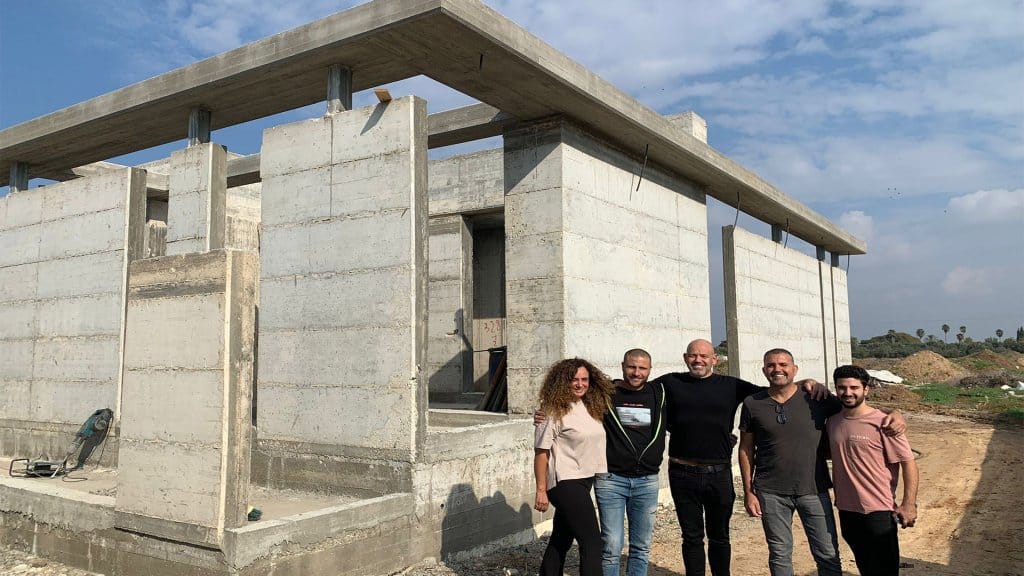
Common Challenges When Renovating a Home in Israel
Renovating in Israel presents unique challenges that homeowners should understand before starting.
Existing Structure Limitations
Unlike building from scratch, renovation requires working with an existing building.
Possible challenges include:
- Structural limitations
- Existing walls and columns
- Low ceiling heights
- Outdated infrastructure
- Limited natural light
- Inefficient layouts
Understanding these limitations early allows homeowners to create realistic plans.
Building Rights and Expansion Possibilities
One of the most important questions when renovating a private home is:
What can actually be built on this property?
The answer depends on:
- Local zoning plans
- Existing approvals
- Remaining building rights
- Municipal regulations
A property that appears limited may have significant expansion potential, while another property may have restrictions that affect future plans.
Permits and Building Regulations in Israel
Renovation regulations depend on the type of work being performed.
Projects that may require approvals include:
- Extensions
- Additional floors
- Structural changes
- Exterior modifications
- New balconies
- Swimming pools
- Significant changes to approved plans
Each municipality has its own planning processes and requirements, making local knowledge an important part of successful renovation planning.
Renovation Rules in Different Areas of Israel
Renovating a Home in Tel Aviv
Renovations in Tel Aviv often involve balancing modern lifestyle requirements with urban planning limitations. Many properties are located in older buildings or areas with preservation considerations, requiring careful attention to façades, building character, and municipal guidelines. Successful renovation in Tel Aviv often focuses on maximizing space, improving natural light, creating better layouts, and integrating contemporary living while respecting the existing urban environment.
Renovating a Home in Jerusalem
Jerusalem renovations require sensitivity to the city’s unique architectural identity. Many properties involve considerations related to stone façades, historic neighborhoods, preservation requirements, and complex terrain. Renovating successfully in Jerusalem means creating a modern and functional home while respecting the character, materials, and atmosphere of the surrounding environment.
Renovating a Villa in Caesarea
Caesarea properties often provide unique opportunities due to larger plots, gardens, and a strong connection to nature. Renovations in this area frequently focus on improving indoor-outdoor living, enhancing privacy, upgrading outdated villas, and maximizing the relationship between architecture and landscape. Understanding building rights and future potential is especially important when working with larger private properties.
Renovating a Luxury Home in Savyon
Savyon is known for spacious private homes, large plots, and high expectations for privacy and quality. Renovation projects in Savyon often involve transforming older villas into contemporary residences while preserving gardens, improving functionality, and creating seamless connections between indoor and outdoor spaces.
For Our Private House Portfolio In Israel Click Here
The Stages of a Successful Home Renovation
A successful renovation follows a structured process.
-
Understanding the Existing Property
The first stage is analyzing the current condition of the home:
- Existing layout
- Structure
- Infrastructure
- Building rights
- Opportunities and limitations
-
Defining the Renovation Concept
At this stage, homeowners establish:
- Design direction
- Lifestyle goals
- Priorities
- Budget expectations
- Desired improvements
-
Developing the Architectural Plan
The design process transforms ideas into practical solutions.
This includes:
- Space planning
- Interior and exterior relationships
- Materials
- Lighting
Technology integration
-
Regulatory and Technical Planning
Depending on the project, this stage may include:
- Permit preparation
- Engineering coordination
- Consultant involvement
- Detailed construction documentation
-
Construction and Execution
During construction, maintaining design quality and solving unexpected challenges are essential.
Clear planning helps reduce changes, delays, and unnecessary costs.
Renovation or Building a New Home? Understanding the Right Choice
For many buyers in Israel, the decision begins before renovation even starts: should you purchase an existing house and transform it, or build a completely new home from the ground up?
Renovating an existing property may provide advantages such as an established location, existing character, and opportunities to add value. However, some properties may involve structural limitations, outdated systems, hidden costs, or planning restrictions that prevent them from reaching their full potential.
Building a new home provides complete architectural freedom, allowing homeowners to maximize building rights, design every space around their lifestyle, and create a residence without the limitations of an existing structure.
The right choice depends on the property’s location, condition, planning potential, budget, and long-term goals.
Read our guide: Buying an Existing House or Building from Scratch? How to Assess the True Investment Potential to understand how to evaluate these decisions before making a major investment.
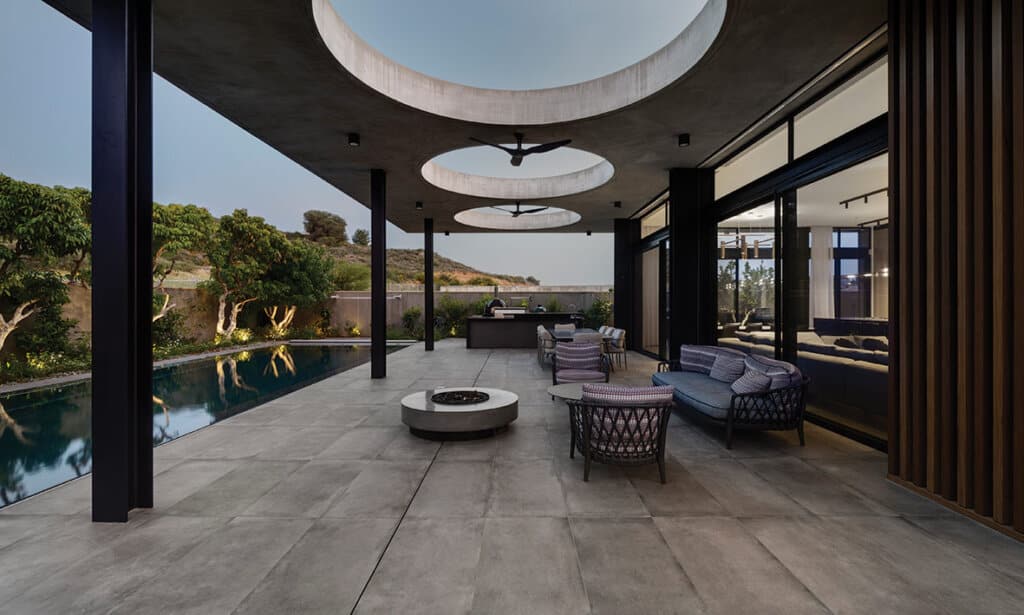
How Professional Architectural Planning Creates Value
A successful renovation is not only about solving problems. It is about identifying opportunities.
Professional architectural planning can help homeowners:
- Understand the property’s full potential
- Make better decisions before investing
- Create a more functional home
- Avoid costly mistakes
- Navigate regulations
- Improve long-term property value
An architect’s value comes from connecting creativity with practical knowledge: understanding regulations while finding design opportunities within them.
How Israelevitz Architects Approaches Renovation Projects
At Israelevitz Architects, every renovation begins with understanding the property, the environment, and the people who will live there.
Our approach focuses on creating homes that are not only visually impressive but also carefully planned around lifestyle, functionality, and long-term value.
Through detailed analysis, architectural design, and coordination throughout the process, we help homeowners transform existing properties into unique residences that reflect their vision.