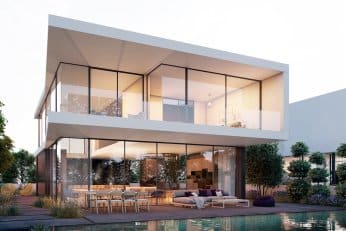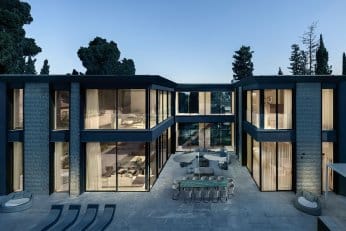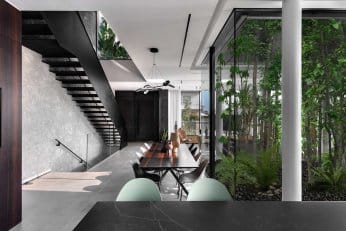
For international buyers planning aliyah, purchasing a second home or considering a future move, these questions are understandable. Israel has rarely offered the certainty investors would ideally like. Yet despite wars, political instability and economic challenges, people continue to buy land, build homes and establish their lives here.
Perhaps the better question isn’t when uncertainty will disappear, but whether the right property can offer lasting value despite it.
Is There Ever a Perfect Time to Buy Property in Israel?
There is always a reason to wait.
Before October 7, 2023, there were concerns about political instability. Before that came COVID-19, repeated elections and military conflicts. More recently, the war in Gaza, confrontation with Iran, interest rates and currency fluctuations have created further uncertainty.
Yet Israel has continued to develop infrastructure, attract businesses and build homes.
This doesn’t mean political or security developments have no effect on property values. They certainly do. But there’s a difference between considering uncertainty as part of an investment decision and waiting for it to disappear entirely.
For someone planning to relocate or build a family home, waiting for perfect conditions could mean postponing that decision indefinitely.
What Does the Israeli Property Market Tell Us About Resilience?
Israel’s housing market has faced considerable pressure. Higher borrowing costs, construction labor shortages, security concerns and currency fluctuations have affected buyers and developers alike.
Transactions have slowed, developers have offered incentives, and certain properties have experienced price corrections.
But despite extraordinary circumstances, the market has not experienced the sustained nationwide collapse some anticipated.
Why?
Part of the explanation lies in Israel’s underlying housing needs. A young, growing population continues to generate demand, while land in desirable residential locations remains limited. Construction continues because people still need homes.
Nevertheless, Israel isn’t one uniform property market. A private home in an established residential community may perform differently from an apartment in an area with substantial new construction.
Past resilience doesn’t guarantee future price increases. But it demonstrates why broad market predictions should never replace careful evaluation of an individual property.
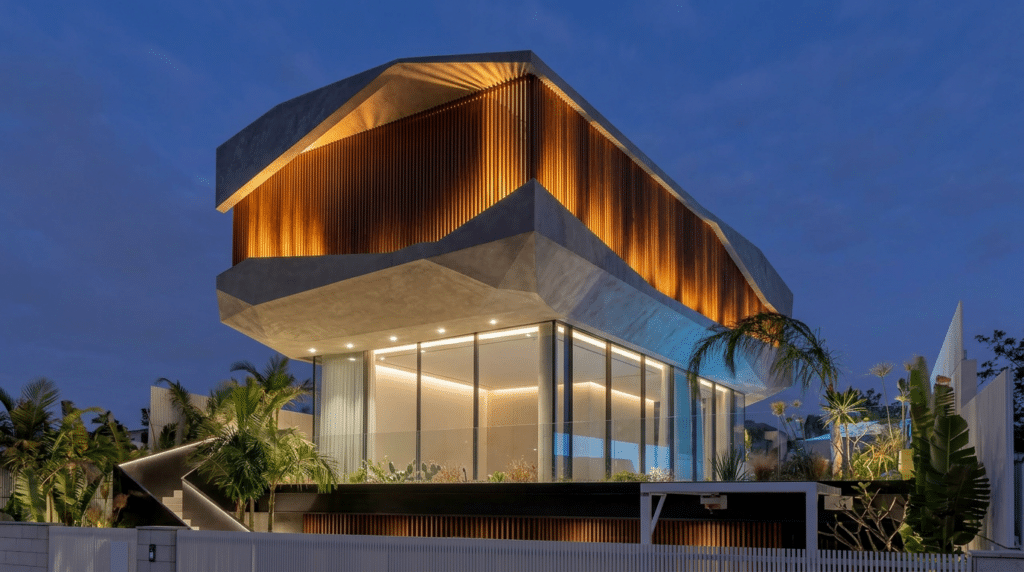
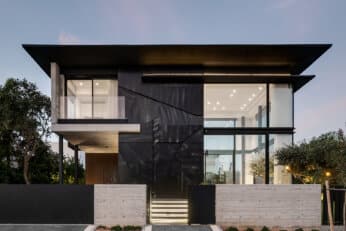
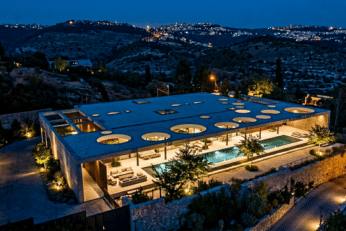
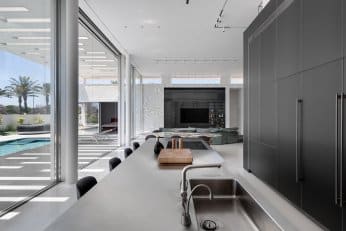
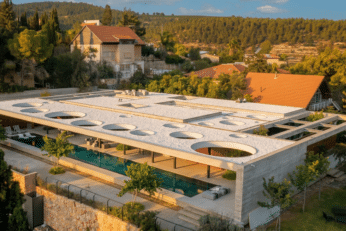
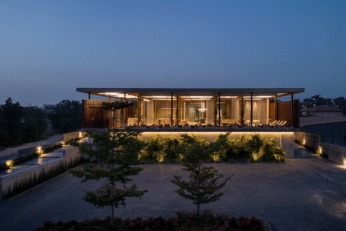
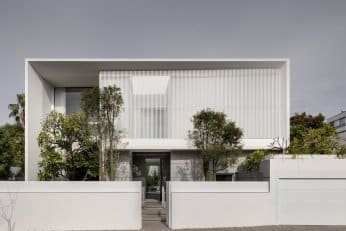
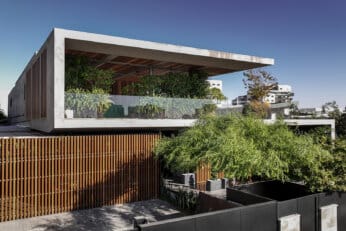
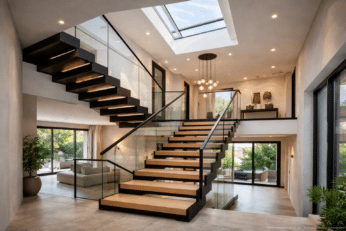
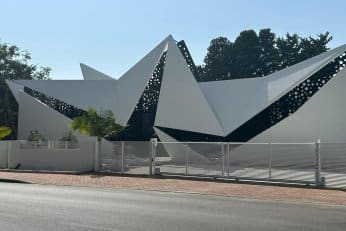
Inside JAWS house – Click Here
What Are International Buyers Most Concerned About?
For buyers living abroad, concerns extend beyond property prices.
Will Israel remain secure? Could the shekel strengthen further? What happens if construction costs rise? Will the chosen location suit the family in ten years?
These are legitimate considerations, particularly when purchasing property in another country.
However, trying to predict the ideal combination of exchange rates, interest rates, political stability and housing prices can become an endless exercise.
The more useful question isn’t simply whether prices will be higher or lower in six months. It’s whether the specific property fits your budget, goals, timeline and the price you’re being asked to pay.
Could Waiting to Buy a Home in Israel Have a Cost?
Prospective buyers often calculate how much they might save if prices decline. But waiting can have costs of its own.
For a family considering aliyah, postponement may mean additional years away from relatives or delaying a move while children are young. For someone planning retirement, it could mean spending fewer years enjoying the lifestyle they’ve imagined.
Building a bespoke home adds another consideration: time.
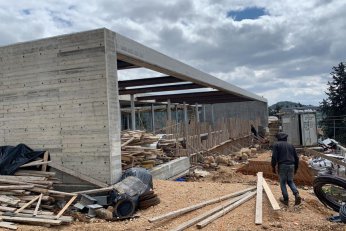
Finding a suitable plot, developing architectural plans, obtaining approvals and completing construction can take years. Delaying the decision to begin may postpone moving into the finished home considerably longer.
Waiting can certainly be sensible. But it should be a deliberate decision, not simply a response to the latest headline.
Where Are the Opportunities in Israel’s Property Market?
Uncertain markets can create opportunities for buyers who evaluate properties carefully.
When transactions slow, some sellers become more flexible, and buyers may have greater room to negotiate.
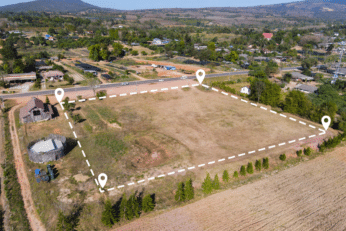
For those considering building a private home, opportunities might include purchasing a suitable plot, identifying an older property with redevelopment potential or finding a location that meets long-term family needs.
But an attractive price doesn’t automatically make a property a good investment.
Planning restrictions, infrastructure requirements, construction costs and the architectural potential of the site all matter.
The opportunity lies in identifying a property whose location, price and development possibilities work together.
What Makes a Home in Israel a Good Long-Term Investment?
No one can guarantee what a property will be worth in five or ten years. But while market fluctuations are beyond our control, many decisions influencing long-term value are not.
Location, architectural quality, functionality and adaptability can all contribute to a property’s appeal.
A holiday home may eventually become a permanent residence. A house designed for a couple may later need to accommodate children, grandchildren or extended family.
Thoughtful architecture anticipates these possibilities through flexible layouts, natural light, privacy, durable materials and efficient use of space.
A bespoke home doesn’t automatically command a higher resale price. But good design can improve everyday living while supporting long-term marketability.
At Israelevitz, we believe a home’s value should be measured not only by its potential future selling price, but also by how well it serves the people living in it.
Imagine Two Possible Futures Five Years From Now
Imagine that five years from now, Israel is enjoying greater stability and economic confidence. Your family has a home here, perhaps as a permanent residence or a place for holidays and extended visits.
You’ve established connections, created memories and gained a familiar place to return to.
Now imagine another possibility.
Uncertainty continues, whether in Israel or in your country of residence. Economic or political circumstances have changed, and your family is reconsidering where it wants to live.
Having a suitable home in Israel may provide an additional option: somewhere to spend more time, reunite with family or potentially relocate.
Neither scenario guarantees financial returns or eliminates risk.
But both demonstrate that a home can offer something beyond its market value: flexibility, continuity and choices about the future.
The Emotional Value of Having a Home in Israel
For many international buyers, Israel represents more than an investment destination.
It may be where their children live, where relatives gather for holidays or where they hope to build the next chapter of their lives.
The dream might involve family dinners outdoors, grandchildren visiting during school holidays or simply belonging to a community.
These considerations cannot be measured entirely in financial terms, but they shouldn’t be dismissed.
A home can be both a carefully considered financial asset and a meaningful part of family life.
How Do You Find the Right Place to Build a Home in Israel?
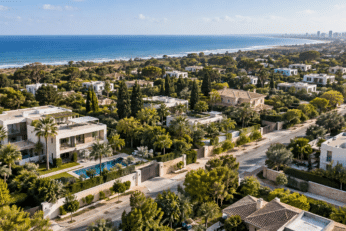
Israel offers very different lifestyles within relatively short distances.
Some families prefer quiet residential communities with spacious plots. Others prioritize proximity to Tel Aviv, the coast, schools, cultural life or extended family.
The right location depends on how you intend to use the home, today and in the future.
For buyers who already have a location in mind, understanding a property’s architectural potential is essential. For those still exploring, professional guidance can help clarify which sites and building possibilities best match their vision.
At Israelevitz, we work with international clients to translate their lifestyle, priorities and long-term aspirations into carefully considered architectural plans, including through remote collaboration.
So, Is Buying or Building a Home in Israel Worth It?
There is no guarantee that Israeli property prices will rise, just as there is no guarantee that waiting will produce a better opportunity.
Uncertainty will continue to influence the market. What matters is making a decision based on the right location, a realistic budget, the property’s potential and your family’s long-term plans.
Building a bespoke home offers an additional opportunity: creating a living environment designed around the life you want to lead.
You may never know whether you bought at the lowest possible price.
But you can know whether you chose the right place and created the right home for your future.
Disclaimer: This article is for general informational purposes only and does not constitute financial, investment, tax or legal advice. Property investments involve risks, and readers should consult qualified professionals before making financial or property-related decisions.